 Save
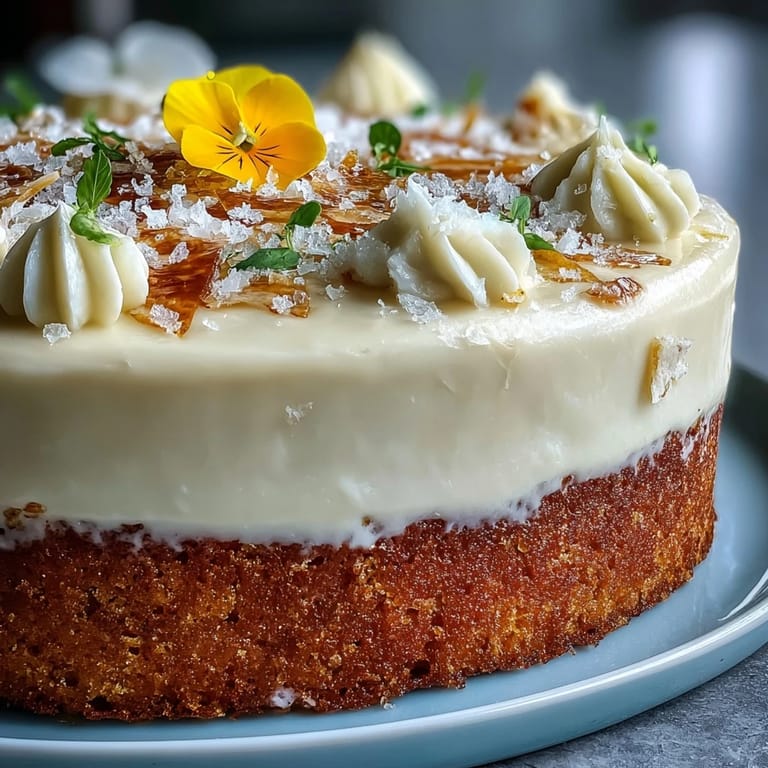
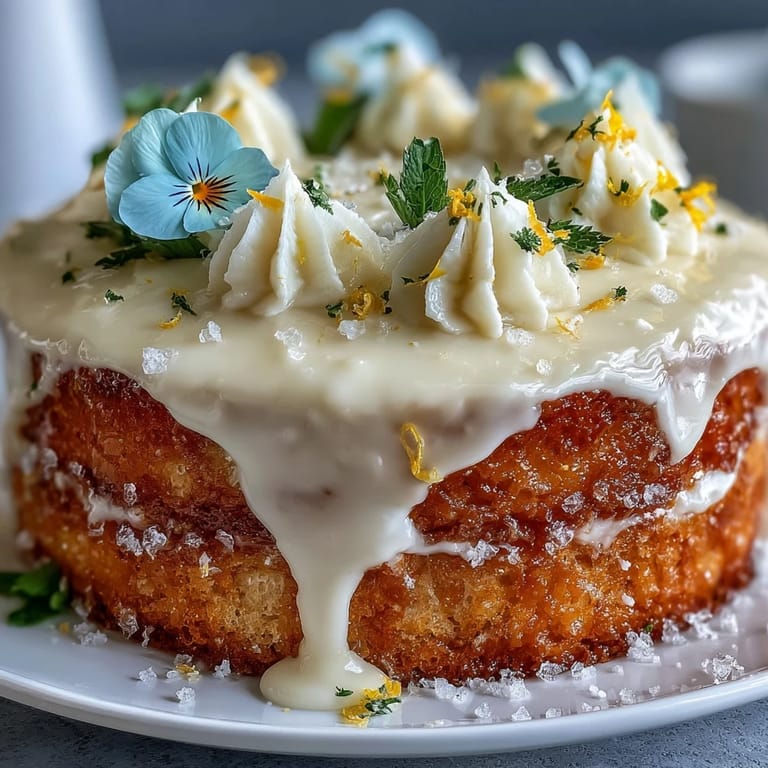
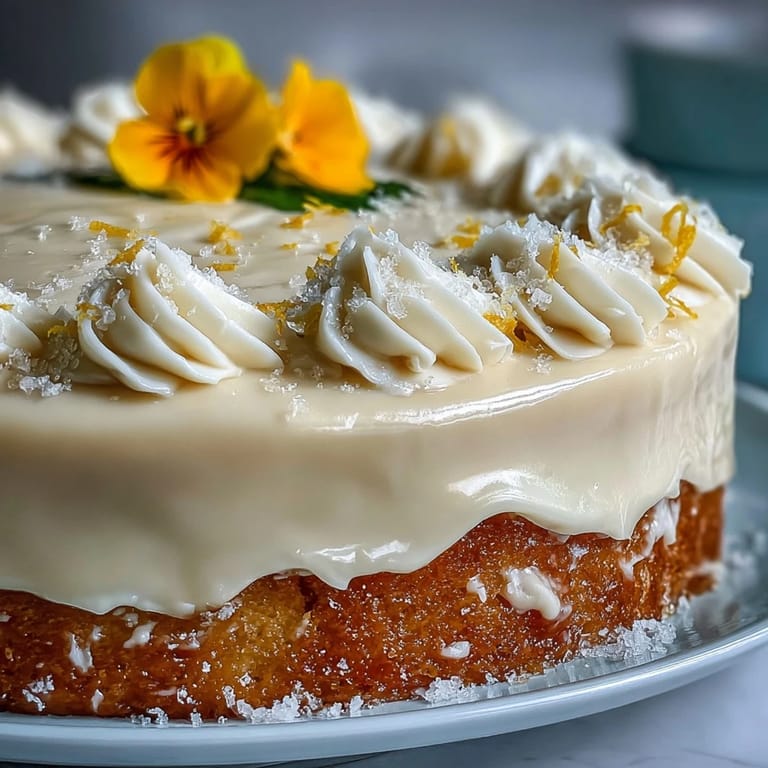
Save Not every dessert has an entrance as bright as this lemon sunshine cake—the first time I made it, the kitchen filled with that sparkling citrus scent and for a moment it felt like spring had snuck in. My apron was dusted with flour, and as I zested the lemons, their oils tingled in the air, instantly lifting my mood. This cake always reminds me how a few simple ingredients can turn into something both elegant and gleefully celebratory. Its light crumb and towel-soft texture are irresistible, but it's truly the crown of edible flowers that gets people talking before they've even tasted a bite. There's just a bit of gentle whimsy to bright petals over lemony frosting, and it makes every occasion feel special, especially a baby shower.
I once made this cake for my friend Anna's baby shower, and it became a little event in itself. We ended up frosting the cake together in her sunlit kitchen, each flower we added sparking a lively debate—Marigold or pansy, left or right. Someone joked that it felt like arranging tiny corsages for the guest of honor. Later, when we sliced into the cake, I wished I'd made a second—every crumb disappeared before the coffee even brewed.
Ingredients
- All-purpose flour: Use a spoon to scoop and level the flour for exact measurement—it keeps the cake tender instead of dense.
- Baking powder & baking soda: These are essential for a well-risen, fluffier crumb, but don't overdo them or you'll taste the residue.
- Salt: A pinch brightens up every citrus note and balances the sweet.
- Unsalted butter: Soft, room temperature butter is a must for creaming with sugar—cold butter won't whip up as fluffy.
- Granulated sugar: Adds sweetness and structure; I always beat it longer than I think for more volume.
- Large eggs: Let them sit out for an hour before using—room temperature eggs blend seamlessly and give a finer cake crumb.
- Zest of lemons: Microplaning lemons right before mixing preserves their intensely fresh aroma.
- Fresh lemon juice: Brightens both the cake and frosting; bottled juice just can't deliver that spark.
- Vanilla extract: Even a little bit rounds out the tang of lemon, never skip it.
- Buttermilk: The secret to moisture and a beautifully soft cake—shake the carton well before pouring.
- Cream cheese: Bring to room temp for silky frosting with zero lumps.
- Powdered sugar: Always sift before adding to the frosting to avoid pesky clumps.
- Edible flowers: Source from safe, reputable vendors, and dry thoroughly before arranging atop the cake.
Tired of Takeout? 🥡
Get 10 meals you can make faster than delivery arrives. Seriously.
One email. No spam. Unsubscribe anytime.
Instructions
- Prep the pans and oven:
- Set your oven to 350°F (175°C) and line two 8-inch pans with parchment, making sure corners are flattening with a quick swipe of butter.
- Mix your dry ingredients:
- Inhale deep as you whisk flour, baking powder, baking soda, and salt; it's the humble backbone of flavor and lift.
- Cream the butter and sugar:
- Beat them together on medium-high until the mixture is nearly white and impossibly fluffy, about 3 minutes—if the sound changes from slapping to soft humming, you're there.
- Add eggs and zest:
- Drop in eggs one at a time, mixing after each, followed by the lemon zest, juice, and that aromatic hint of vanilla.
- Alternate the dry mix and buttermilk:
- Add flour mixture and buttermilk in turns, starting and finishing with flour, until just incorporated—don't overmix or you'll lose that soft crumb.
- Bake the cakes:
- Scrape the batter gently into pans, smooth tops, and bake for about 30 minutes, until a toothpick glides out clean and the tops spring back.
- Let cool:
- Wait 10 minutes before turning out onto a wire rack, and let the cakes cool fully (tempting as it is to rush).
- Make the frosting:
- Beat cream cheese and butter together until completely smooth, then slowly add sifted powdered sugar, lemon zest, juice, and vanilla until light and dreamy.
- Assemble and frost:
- Set one cooled cake on your serving plate, spread a thick swoop of frosting, top with the second cake, and frost generously all around.
- Decorate with flowers:
- Right before serving, scatter edible flowers artfully over the cake, pressing gently so they stay put—stand back and soak up the applause.
 Save
Save  Save
Save Watching everyone gather around this sunshine-bright cake, forks poised and smiles wide, I realized that sometimes food brings us together long before people take the first bite. It's true: the kitchen really is the heart of a celebration, and this cake seems to make that feel literal.
Choosing Edible Flowers with Confidence
The first time I decorated with edible flowers I triple-checked that each petal was safe—and now I always tell people: pansies, violets, marigolds, and nasturtiums are some of the prettiest and safest options. Gently wash and dry them ahead so no damp flower wilts your frosting, and avoid anything scented with chemicals or sourced from florists who might spray their blooms. Each blossom adds a pop of color and a whisper of garden aroma right to your table. If you're unsure, err on the side of simplicity and use just a few for accent. Trust me, even the most restrained arrangement looks enchanting.
Storing & Serving Suggestions
The finished cake can be refrigerated (well-covered) overnight, but bring it out an hour before serving for best flavor and texture. If you want to get fancy, serve slices with a little extra lemon zest sprinkled on each plate, or alongside sparkling lemonade to keep things festive and bright. Any leftover cake can be wrapped up and will stay moist for a couple days. If you're planning ahead, the cake layers freeze beautifully without frosting. Just be sure not to add the edible flowers until you're ready to show off.
Small Kitchen Wins: Troubleshooting This Cake
I learned the hard way that overmixing is the enemy of soft cake—once the flour disappears, stop your mixer and walk away. If your frosting runs, stick it in the fridge for 10 minutes, and it will thicken right up. Always frost on a cooled cake, and use an offset spatula (even a butter knife in a pinch) for smooth sides and swoopy tops.
- If in doubt, taste your lemon juice before adding—sour lemons will need a tad more sugar.
- Keep the edible flowers refrigerated until you decorate so they stay perky.
- If you make ahead, let the frosted cake sit at room temperature at least 30 minutes before serving for the best mouthfeel.
 Save
Save 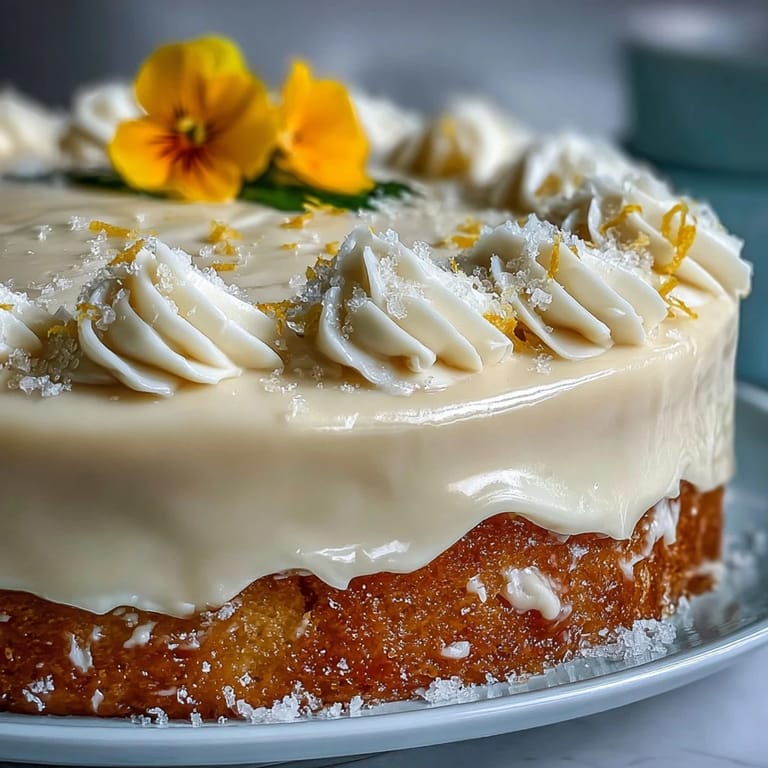 Save
Save I hope this lemon sunshine cake brightens your day as much as it has mine, no matter who you're celebrating. Here's to the moments that become memories—and the desserts that make them sweeter.
Recipe Questions & Answers
- → Can I use bottled lemon juice instead of fresh?
Fresh lemon juice and zest give the brightest aroma and flavor; bottled juice can be used in a pinch, but boost flavor with extra zest or a teaspoon of lemon extract to compensate for muted brightness.
- → How do I keep the cream cheese frosting stable?
Beat cream cheese and butter until smooth, chill briefly before piping, and use sifted powdered sugar to thicken. Keep the finished cake refrigerated until serving and avoid leaving it in warm conditions for extended periods.
- → How should I prepare edible flowers safely?
Source edible, unsprayed flowers from a reputable supplier, rinse gently in cold water, pat dry on paper towels, and remove stems. Add decorations just before serving to preserve freshness and prevent wilting.
- → Can cake layers be made ahead of time?
Yes. Bake layers, cool completely, wrap tightly in plastic, and store at room temperature for one day or freeze for longer. Bring frozen layers to room temperature before leveling and assembling.
- → How can I intensify lemon flavor without adding more liquid?
Increase the amount of lemon zest, fold in a spoonful of thick lemon curd between layers, or add a small splash of concentrated lemon extract to the batter or frosting for a punchier citrus note.
- → What prevents a dense or sunken cake?
Ensure accurate measuring, room-temperature ingredients, and proper creaming of butter and sugar for aeration. Avoid overmixing once flour is added, and confirm oven temperature for even rise; test doneness with a toothpick.