 Save
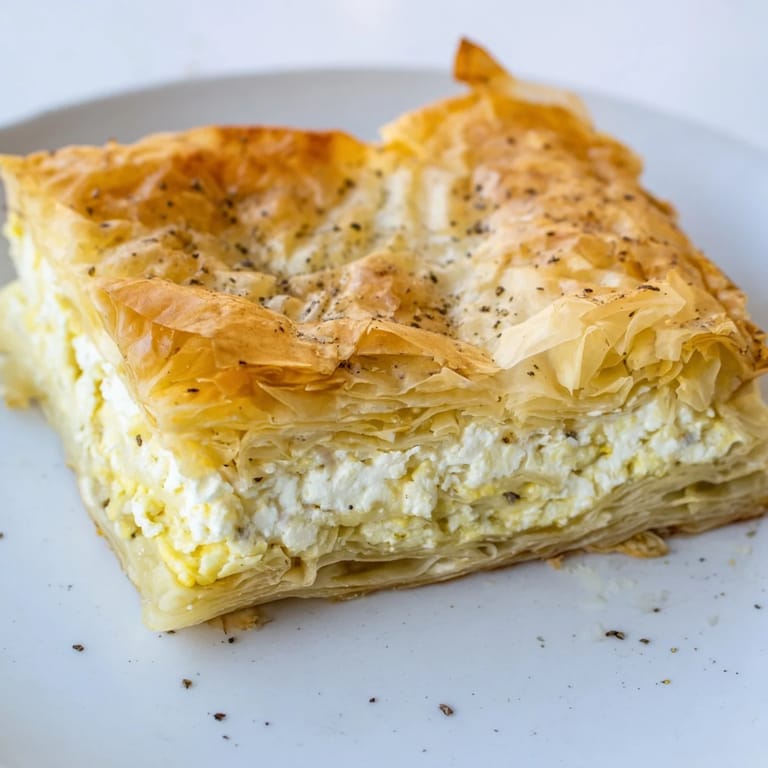
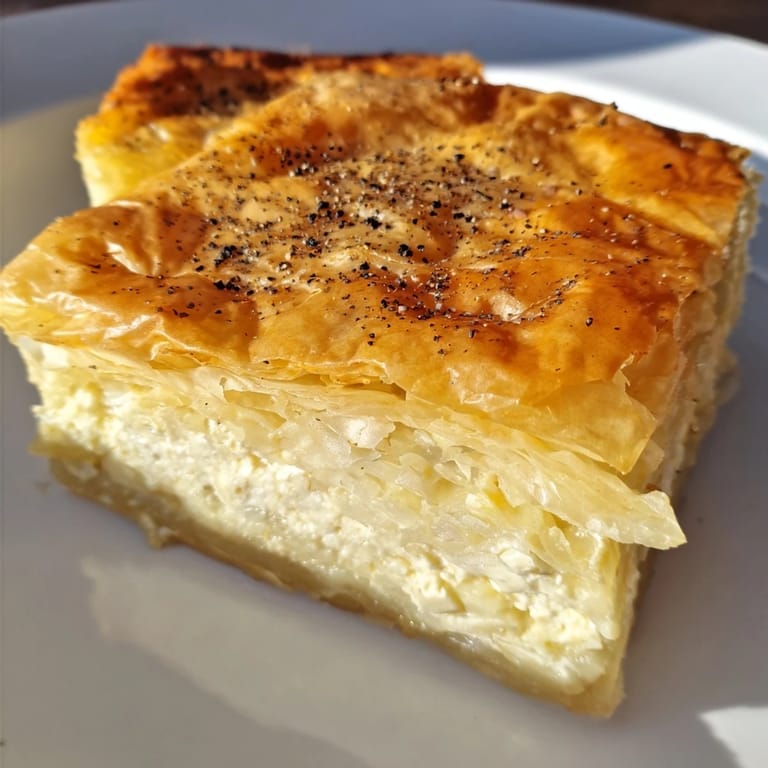
Save The first time I tasted banitsa, I was sitting in a small Sofia kitchen on a winter morning, watching my friend's grandmother pull a golden, shattered rectangle from the oven. She cut through it with one swift motion, and steam rose from the layers, carrying the smell of butter and tangy cheese. That sound—the crisp crackle as the knife broke through—stayed with me long after breakfast ended. Now when I make it, I chase that memory: the moment when a humble phyllo sheet transforms into something that feels like edible architecture.
I made this for a group of friends who'd never had it before, and watching them take that first bite—eyes widening at the combination of crispy and custardy—reminded me why this dish has lasted centuries in Bulgarian kitchens. Someone asked if it was difficult, and I realized how often we assume traditional food must be complicated. It's not; it's just intentional.
Ingredients
- Feta cheese (400 g, crumbled): This is the backbone, and its tanginess is what makes banitsa sing—don't skip it or substitute it with something mild.
- Phyllo dough (1 package, about 400 g): Buy it frozen from any grocery store, thaw it slowly in the fridge overnight, and keep it covered while you work so it doesn't dry out and shatter before you want it to.
- Eggs (4 large): They bind everything and create that custard-like texture in the middle that contrasts so beautifully with the crispy edges.
- Plain yogurt (250 ml): This adds moisture and a subtle tang that deepens the flavor of the cheese—it's not just a liquid placeholder.
- Unsalted butter (60 g, melted): Each layer gets a light brush, and this is what turns phyllo into those golden, shattering sheets you dream about.
- Whole milk (50 ml): A small amount keeps the filling creamy and prevents the eggs from becoming rubbery.
- Salt and black pepper: Season thoughtfully—the cheese is already salty, so taste as you go.
Tired of Takeout? 🥡
Get 10 meals you can make faster than delivery arrives. Seriously.
One email. No spam. Unsubscribe anytime.
Instructions
- Set yourself up for success:
- Preheat your oven to 180°C and brush your baking dish lightly with melted butter so nothing sticks. Unroll your phyllo and immediately lay a damp towel over it—this is the single thing that prevents frustrated phyllo-wrangling.
- Build the filling:
- Whisk eggs, yogurt, milk, salt, and pepper until completely smooth, then gently fold in crumbled feta. The gentleness matters because you want distinct cheese pieces throughout, not a homogenous paste.
- Layer the first foundation:
- Lay down four sheets of phyllo, brushing each one with melted butter before adding the next. This creates a sturdy base that won't tear under the weight of the filling.
- Alternate filling and dough:
- Spread about a quarter of your cheese mixture over the phyllo, then add another 3–4 buttered sheets, then more filling, and repeat until everything is used. Think of it like building a golden lasagna where the layers should feel intentional, not haphazard.
- Crown it:
- Finish with 3–4 buttered phyllo sheets on top to ensure you get that crackling crust, then pour any remaining butter over the surface so every layer catches the heat evenly.
- Cut and bake:
- Use a sharp knife to cut the banitsa into squares or diamonds before it goes into the oven—this prevents the baked pastry from shattering unpredictably when you cut it. Bake for 30–35 minutes until the top is deep golden and crispy, then let it cool just long enough to handle without burning your fingers.
 Save
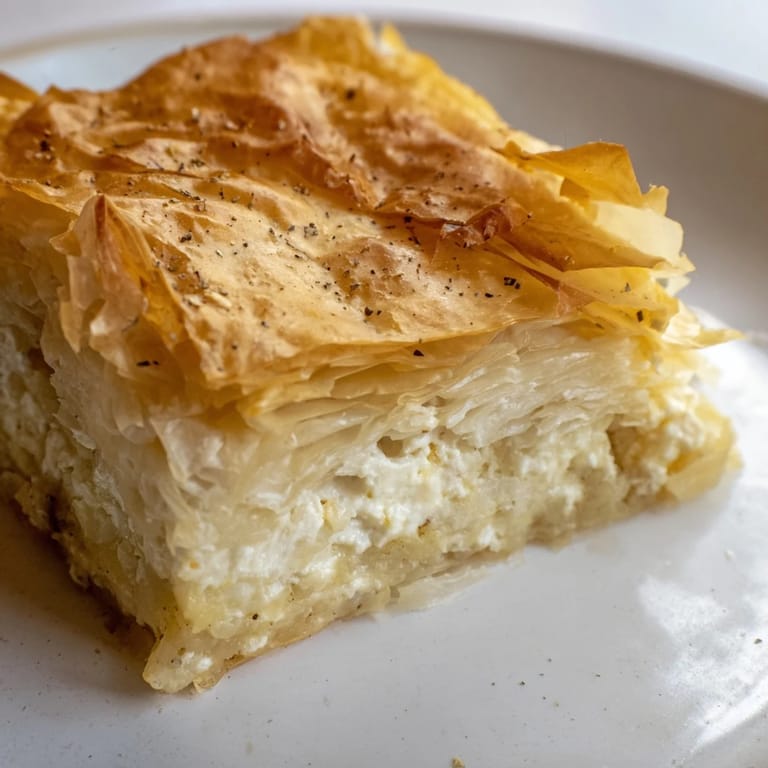
Save There's a particular moment in my kitchen when I pull banitsa from the oven—when the aroma hits you and the pastry is still audibly crackling as it cools—that feels like a small triumph. It's the kind of dish that makes people linger at the table longer than they planned, asking for another slice.
Phyllo Dough: The One Thing That Intimidates People
Phyllo has a reputation for being fragile and temperamental, but the truth is simpler: it just needs respect and moisture. Buy it frozen, thaw it properly (overnight in the fridge, not on the counter), and keep it covered while you work. A single sheet is nearly translucent and tears easily, but once it's buttered and layered, it becomes structurally sound and gorgeously crisp. The key is working confidently and quickly without being frantic—speed comes from preparation, not panic.
The Cheese Filling That Holds Everything Together
This filling is the heart of banitsa, and it works because it respects the balance between structure and richness. The yogurt provides tang and moisture, the eggs bind everything and create custardy texture when baked, and the feta delivers sharp, salty flavor that prevents the whole thing from feeling one-note. Together, they're greater than the sum of their parts—which is exactly what good layered cooking should achieve.
Serving and Storage Wisdom
Banitsa is best served warm or at room temperature, and it's one of those dishes that tastes almost as good the next day. The pastry loses some of its initial crispness but gains a tender, almost melting quality that works beautifully for breakfast or a quick lunch.
- Store covered at room temperature for up to two days, or wrap it tightly and refrigerate for up to four days.
- To reheat, wrap individual pieces in foil and warm them gently in a 160°C oven for about 10 minutes so the layers recrisp without drying out completely.
- Serve with cold ayran (a yogurt-based drink), a simple tomato-cucumber salad, or just a cup of strong coffee.
 Save
Save This is the kind of recipe that connects you to a centuries-old tradition, but also feels like yours the moment you pull it from the oven. Make it once, and you'll find yourself making it again.
Recipe Questions & Answers
- → What is banitsa traditionally made with?
Banitsa consists of thin phyllo layers filled with a mixture of feta cheese, eggs, yogurt, and milk, all brushed with butter before baking.
- → Can I add herbs to the filling?
Yes, chopped fresh dill or parsley can be folded into the filling for extra flavor and freshness.
- → How should phyllo dough be handled?
Keep the phyllo covered with a damp towel to prevent it from drying out while assembling the layers.
- → What is the best way to serve this pastry?
Banitsa is delicious served warm or at room temperature, making it suitable for breakfast or a light snack.
- → Can I substitute the cheese used in the filling?
Yes, half of the feta can be swapped with Bulgarian sirene cheese or ricotta for a milder taste.