 Save
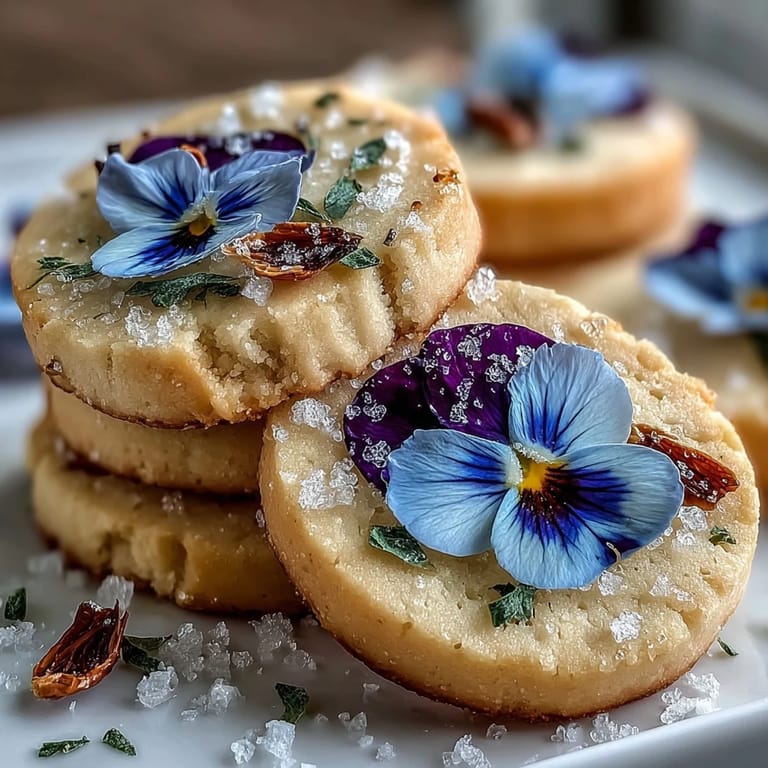
Save There was a crisp freshness in the air the first time I brought out pansies and violets to dress up my cookie plate. I remember sunlight dancing across the countertops while I sifted flour, the room smelling faintly of sweet butter. A friend had gifted me a small box of edible flowers from her garden, vibrant with purples, yellows, and pinks, coaxing me to try something different from my usual chocolate bakes. As petals pressed into the soft dough, their subtle scent mingled with vanilla and anticipation. These cookies quickly became my go-to for moments that called for a touch of whimsy, like the promise of spring unfurling after a long gray winter.
The first time I baked these for an impromptu tea in my sunlit kitchen, my neighbor peeked in just as I was placing pansy-topped rounds onto the baking sheet. She laughed as we arranged petals together, hands sticky with dough, both of us marveling at how something so simple could brighten an ordinary afternoon. The chatter and laughter were as much a part of the recipe as the butter and flour. By the time the cookies cooled, our shoes were dusted in flour and the windowsills crowded with empty teacups. That batch didn’t last long—just one more, we kept promising.
Ingredients
- Unsalted butter: Go for high-quality, room temperature butter for maximum tenderness and flavor; cold butter makes the dough crumbly, so let it soften.
- Granulated sugar: Creaming this properly gives the cookies their signature melt-in-your-mouth finish—use superfine sugar for a delicate crumb if you like.
- All-purpose flour: Sift before mixing to prevent tough cookies and get that classic shortbread snap.
- Fine sea salt: A pinch lifts all the flavors, bringing out the sweetness in a subtle way.
- Pure vanilla extract: It’s worth using the good stuff; the vanilla warms and deepens the flavor without overshadowing the flowers.
- Edible flowers: Make sure to use only pesticide-free, truly edible blooms—pansies, violets, and rose petals are not just safe, they’re stunning.
- Egg white (optional): Brushing a little on before decorating gives a gentle gloss and helps hold those pretty petals in place.
- Superfine sugar (optional): A sprinkle on top creates a subtle shimmer and gentle crunch, perfect for a delicate finish.
Tired of Takeout? 🥡
Get 10 meals you can make faster than delivery arrives. Seriously.
One email. No spam. Unsubscribe anytime.
Instructions
- Cream the butter and sugar:
- Plug in your mixer and combine the soft butter with sugar until it’s pale and fluffy—it should almost look like whipped cream and you’ll hear the beaters change pitch when it’s ready.
- Add the vanilla:
- Pour in the extract, and mix just enough so the air smells warm and sweet.
- Mix in the flour and salt:
- Sift in your flour and salt, then mix on low until the dough clumps together and you can pinch it without it sticking to your finger—stop immediately so it stays tender.
- Chill the dough:
- Flatten the dough into a disc, wrap it up snugly, and let it rest in the fridge for half an hour; this makes it easier to handle and keeps the cookies from spreading.
- Preheat and prepare baking sheets:
- Heat your oven to 350°F (175°C) and line your trays with parchment, ready for rolling out.
- Roll and cut:
- Dust your surface and rolling pin with flour, then roll the dough to about 1/4-inch thick—it should feel supple but not sticky; use your favorite cookie cutter shapes.
- Arrange and decorate:
- Arrange cookies an inch apart, gently pressing a flower onto each one; for a glossy finish, brush with egg white before adding the flowers and sprinkle with superfine sugar if you like some sparkle.
- Bake:
- Slide into the oven and watch carefully—the edges should just start to turn golden, about 12–15 minutes, with floral scents beginning to waft as they bake.
- Cool down:
- Let cookies sit on the sheet for 5 minutes so they firm up, then gently transfer to a wire rack until fully cool and ready to serve.
 Save
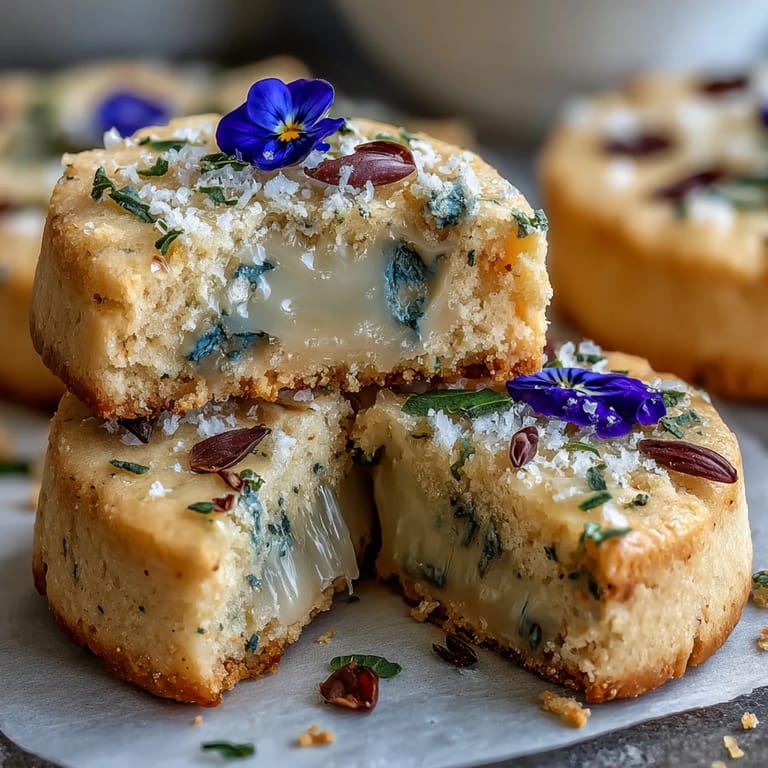
Save When I pulled out a platter of these cookies at a spring brunch, someone called them ‘tiny bouquets you can eat.’ Watching my friends pause mid-conversation to admire the colors felt like witnessing a little bit of magic created out of ordinary ingredients and a handful of petals. The cookies disappeared quickly, but the memory of that delight stuck around long after the last crumb was gone.
Choosing and Handling Edible Flowers
Over time, I’ve learned to gently rinse flowers and pat them dry with a paper towel to keep them vivid on the cookies. Even the tiniest droplets of water can make petals wilt in the oven. I now use a small, clean paintbrush to sweep away any stray pollen or dirt. If flowers feel delicate, store them in the fridge until you’re ready to decorate. Never experiment with garden-variety blooms that aren’t confirmed edible—stick to trusted sources or specialty stores.
Making Shortbread in Advance
There’s freedom in prepping the dough ahead—a lesson I discovered after a busy weeknight when unexpected guests popped by. Wrap and chill the dough for up to two days, then shape and bake fresh cookies when the occasion arises. Baked cookies also keep beautifully for several days if stored airtight. That means you can enjoy spring flavors even when time runs short. It’s a simple make-ahead trick that makes entertaining hopeful and unstressful.
How to Get the Perfect Texture Every Time
I used to aim for an ultra-crisp bite, but soon realized these cookies shine with a buttery, melting texture just at the center. Watch the first tray—taking them out when barely golden on the edges is the secret. It’s tempting to wait for a darker color, but resist for the best results.
- Handle the dough gently, never kneading or overworking.
- Let cookies cool completely for structure to set before stacking or plating.
- Remember to taste a freshly cooled cookie—warm butter always hides flavors that bloom as they cool.
 Save
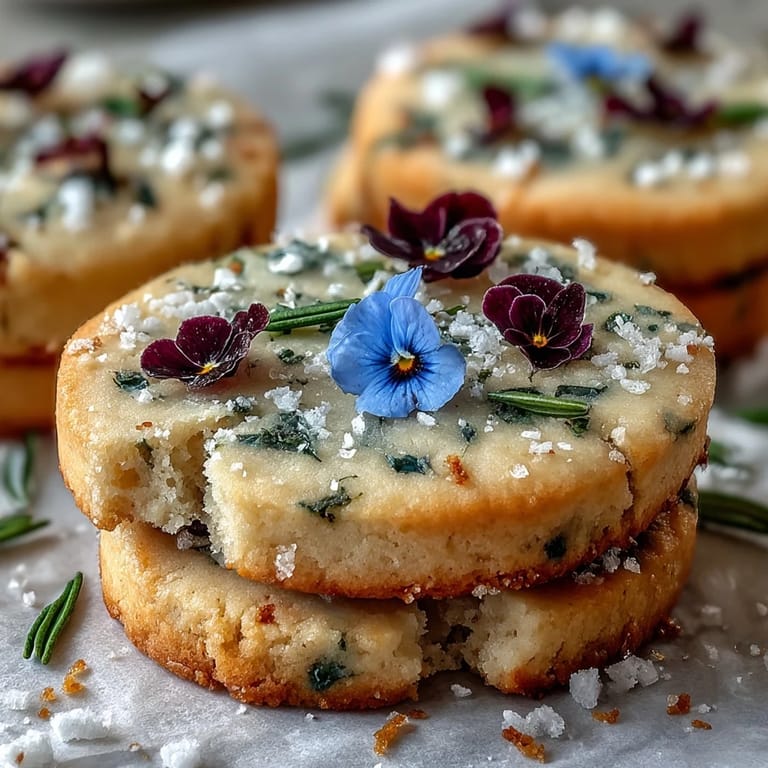
Save This recipe turns a simple baking afternoon into something uniquely joyful. Share them with friends, or even just with a pot of tea by a sunny window, and let spring begin in your kitchen.
Recipe Questions & Answers
- → How do I ensure edible flowers are safe to use?
Only use flowers labeled edible and sourced pesticide-free. Wash gently, remove stems and pistils if desired, and dry on paper towels. Common safe choices include violets, pansies, calendula petals and rose petals.
- → Can I skip the egg white when attaching flowers?
Yes. Flowers can be gently pressed into the dough so they adhere during baking; brushing with a little egg white gives a glossier finish and better adhesion if you want a shiny top.
- → Why is the dough chilled before rolling?
Chilling firms the butter, making the dough easier to roll and cut without sticking. It also helps cookies hold their shape and produce a tender, crumbly texture during baking.
- → Any tips for adding citrus notes?
Grate a small amount of lemon or orange zest into the dough when mixing in the vanilla. Zest brightens the butter and pairs well with delicate floral toppings without overwhelming the shortbread’s texture.
- → How should I store the baked shortbread?
Cool completely, then keep in an airtight container at room temperature for up to five days. Layer with parchment to prevent sticking and preserve the floral decoration.
- → Can I adapt the dough for gluten-free diets?
Use a 1:1 gluten-free flour blend designed for baking and chill the dough a bit longer. Texture may be slightly different; consider adding a touch more butter or a binder like xanthan gum if the blend lacks structure.