 Save
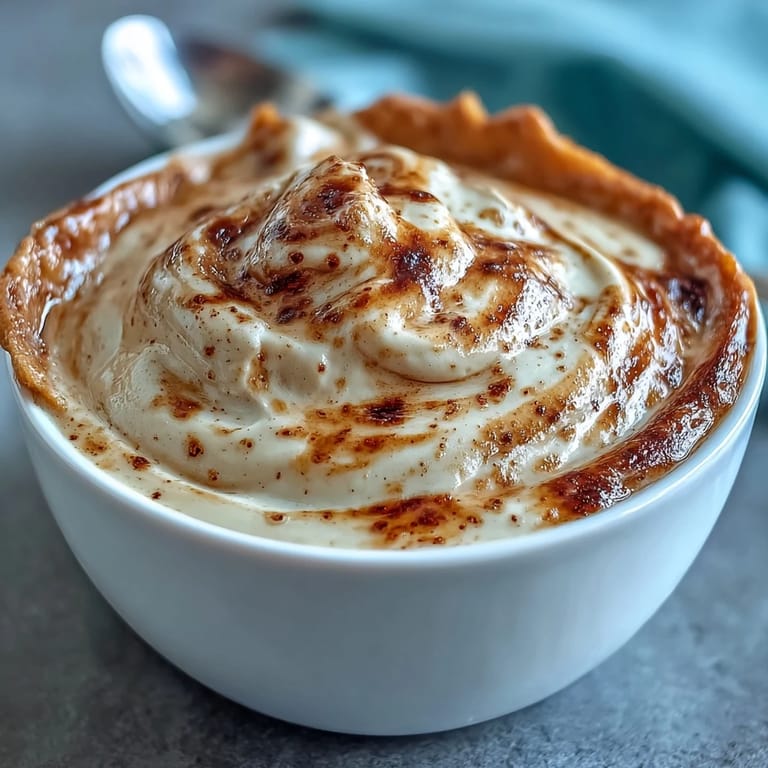
Save There's something about hojicha that stops me mid-morning—that toasted, almost coffee-like warmth that makes you pause. I stumbled into making this pastry cream on a quiet Saturday when I found myself staring at a tin of hojicha leaves and wondering what would happen if I treated them like the soul of a classic crème pâtissière. The result was silky, nutty, and so unexpected that I ended up filling cream puffs with it before the custard had fully cooled. It's become the filling I reach for whenever I want dessert to feel both familiar and subtly sophisticated.
I remember piping this into éclairs at midnight for a dinner party I'd underestimated, and my friend Sarah taking one bite, closing her eyes, and asking what magic I'd done to custard. When I explained it was just roasted tea, she looked genuinely disappointed there was no secret ingredient—but that's exactly why this works. Hojicha has this grounded, almost smoky elegance that makes people think you've been doing this for years.
Ingredients
- Whole milk (2 cups / 480 ml): The foundation of everything—use the best quality you can find because you'll taste it as the background note in every bite.
- Unsalted butter (3 tablespoons / 40 g): This arrives at the end to add richness and a subtle silkiness that transforms the custard from good to memorable.
- Hojicha loose leaf tea or tea bags (3 tablespoons / about 5 g): The star ingredient; loose leaf gives you more control over steeping time and intensity, but bags work just as well if that's what you have.
- Egg yolks (4 large): They emulsify and thicken—don't be tempted to use fewer, they're not negotiable.
- Granulated sugar (1/2 cup / 100 g): Sweetens gently without overpowering the tea's toasted character.
- Cornstarch (3 tablespoons / 25 g): The thickening agent that gives this cream its signature velvety texture without any graininess.
- Vanilla extract (1/2 teaspoon): A whisper of vanilla that awakens the hojicha without competing with it.
- Salt (pinch): The invisible ingredient that deepens flavor and keeps everything balanced.
Tired of Takeout? 🥡
Get 10 meals you can make faster than delivery arrives. Seriously.
One email. No spam. Unsubscribe anytime.
Instructions
- Warm the milk and meet the hojicha:
- Pour milk into your saucepan and watch for that moment when steam rises and the surface shimmers—not a rolling boil, just attentive heat. Add your hojicha leaves, pull the pan off the flame, and cover it like you're tucking it in to sleep for 10 minutes.
- Coax out the flavor:
- Pour the steeped milk through a fine sieve, using the back of a spoon to gently press the leaves and release every last bit of toasted aroma. You'll smell something wonderful—lean into that.
- Build your custard base:
- In a bowl, whisk egg yolks with sugar, cornstarch, and salt until the mixture turns pale and smooth, like silk before it's been woven. This whisking does the heavy lifting of aeration.
- Temper with intention:
- Slowly pour the warm hojicha milk into your yolk mixture while whisking without pause—this gradual approach keeps eggs from scrambling and creates a smooth liaison. It's the kind of moment where both hands need to work together.
- Cook until it thickens:
- Return everything to the saucepan over medium heat, whisking constantly, and watch for the first bubbles to break the surface, usually around 2–3 minutes. When it coats the back of a spoon and leaves a trail, you're done.
- Finish with butter and vanilla:
- Pull the pan off heat, whisk in butter until it disappears completely, then add vanilla. The butter creates a subtle sheen that signals this cream is now ready to shine.
- Prevent the unwelcome skin:
- Transfer to a clean bowl and press plastic wrap directly onto the surface—no air gaps. This isn't fussy, it's protection.
- Let it chill into itself:
- Refrigerate for at least an hour until the cream is cool and set, then give it a final whisking to restore any silkiness before using.
 Save
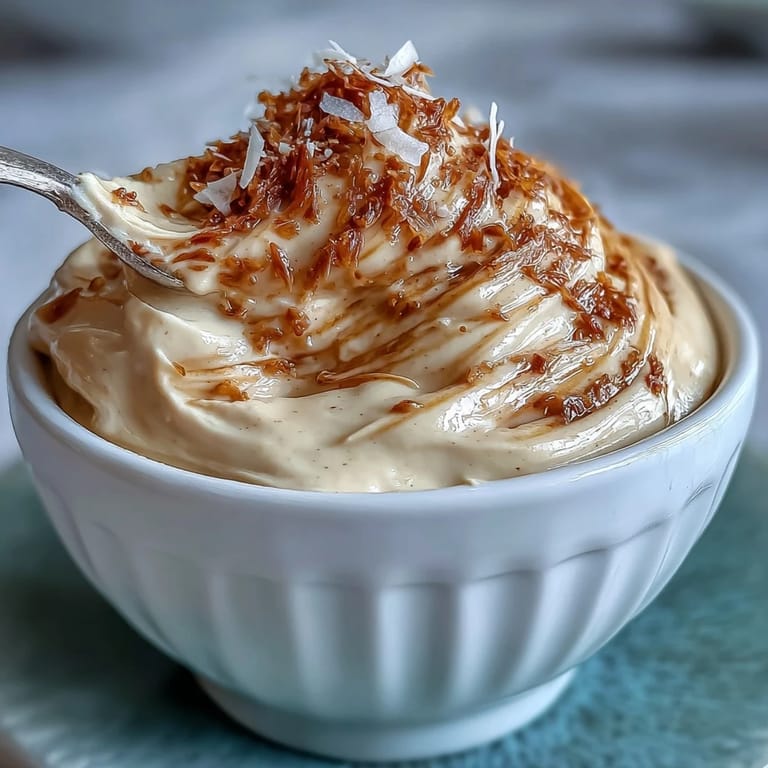
Save There's a moment when you taste hojicha pastry cream for the first time that everything clicks—it's not trying to be anything other than what it is, but somehow it feels like a conversation between two traditions. I made this for my grandmother, who thought I'd complicated something simple, until she understood that the complications had already been done for me by the tea leaves.
The Difference Hojicha Makes
Hojicha is roasted after oxidizing, which gives it this gentle, almost grain-like sweetness instead of the grassy bite of green tea. When you steep it in warm milk, it doesn't fight for attention—it just settles in like an old friend, adding depth without shouting. That toasted character means this cream works as well with chocolate pastries as it does with delicate choux, and it never overwhelms the palate even when you're eating multiple cream puffs in a row.
Making It Your Own
I've experimented with folding whipped cream into this custard when I want something lighter and less dense, and it becomes almost cloud-like without losing any of that hojicha character. Some mornings I've mixed in a teaspoon of hojicha powder at the end for extra intensity—it's a small adjustment that shifts the whole mood. You can also use this as a layer in cakes or tarts, and it transforms anything it touches into something that feels intentional.
Storage and Pairing
This cream keeps beautifully in the refrigerator for up to three days, covered, and it's actually better the next day after flavors have settled. Pair it with matcha choux pastry for a harmonious tea experience, or use it inside chocolate éclairs to create contrast. I've also piped it into fresh raspberries for a minimal dessert that tastes like it took way more effort than it did.
- If using hojicha powder instead of leaves, whisk 2 teaspoons directly into the warm milk after steeping time.
- For a vegan version, try oat milk and aquafaba-based yolks, though texture will shift slightly.
- Always check hojicha tea labels for allergen information, as some may be processed with wheat.
 Save
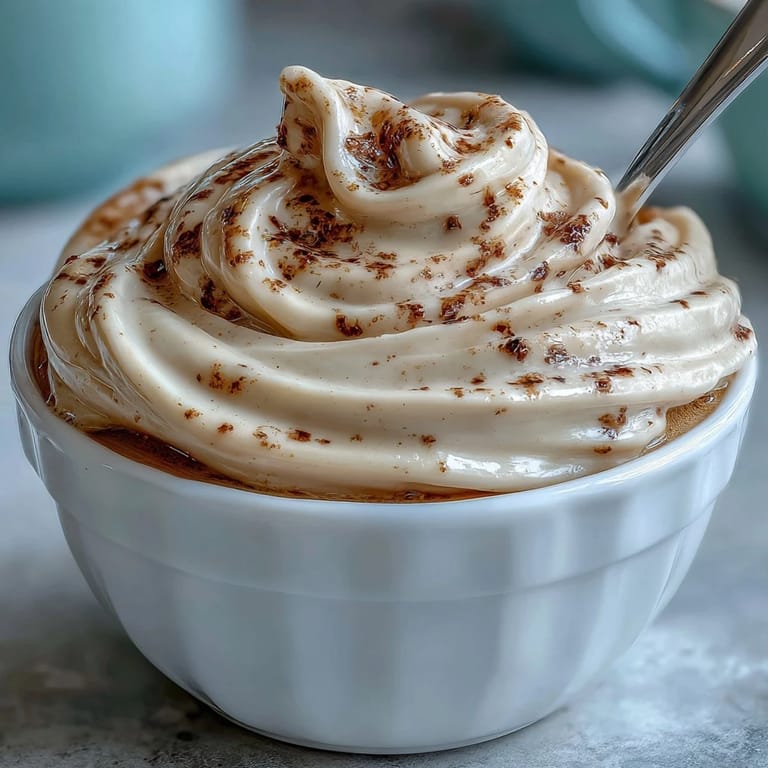
Save This pastry cream has quietly become the filling I reach for when I want to create something that feels both refined and genuinely personal. Every time someone tastes it, they're tasting a small bridge between traditions, made silky and delicate.
Recipe Questions & Answers
- → What makes hojicha pastry cream unique?
Hojicha brings a distinctive roasted, nutty flavor with subtle smoky notes that sets this custard apart from classic vanilla varieties. The tea's naturally lower caffeine content and amber hue create both visual appeal and a sophisticated taste profile that complements cream-based desserts beautifully.
- → Can I use hojicha powder instead of loose leaf tea?
Absolutely. Substitute 2 teaspoons of hojicha powder for the loose leaves and whisk it directly into the warm milk. This method actually infuses more quickly and intensely, though you may want to strain through a fine sieve to remove any undissolved particles for the smoothest texture.
- → How long does the pastry cream keep in the refrigerator?
Properly stored with plastic wrap pressed directly against the surface to prevent skin formation, this pastry cream will keep for 3-4 days in the refrigerator. The flavors may actually develop and become more pronounced after a day or two. Always give it a good whisk before using to restore the silky consistency.
- → Why is it important to temper the eggs when adding hot milk?
Tempering prevents the eggs from scrambling when they hit the hot liquid. By gradually whisking small amounts of warm hojicha milk into the yolks first, you gently raise their temperature. This creates a smooth mixture that can be cooked without curdling, resulting in the perfectly silky texture essential for quality pastry cream.
- → Can I make this pastry cream lighter in texture?
Yes, you can achieve a lighter, airier filling by folding in whipped heavy cream once the pastry cream has fully chilled. Use equal parts chilled pastry cream and freshly whipped cream, gently folding them together just before filling your pastries. This creates a mousse-like texture while maintaining the hojicha flavor.
- → What desserts pair best with hojicha pastry cream?
This custard shines in classic choux pastry creations like cream puffs and éclairs. It also layers beautifully in trifles, makes an elegant cake filling (especially with chocolate or vanilla sponge), and can even serve as a sophisticated dip for fresh fruit or cookies. The toasted tea flavor particularly complements white chocolate and almond desserts.