 Save
Save I discovered this dish on a random Tuesday while scrolling through videos, but what really sold me was watching that block of feta melt into a creamy sauce in the oven. The first time I made it, I was skeptical about throwing a whole cheese block onto roasted vegetables, yet somehow it works like magic. That initial version taught me that sometimes the simplest ideas taste the best, and that lighter doesn't have to mean less satisfying.
My neighbor knocked on my door one evening asking what smelled so incredible, and when I offered her a bowl, she came back three times over the next week asking me to make it again. That's when I knew this wasn't just a viral trend passing through my kitchen—it had staying power in a way that mattered.
Ingredients
- Reduced-fat feta cheese block (200 g): Don't crumble it; the block is essential because it becomes this creamy, spreadable dream as it roasts, and that texture is half the magic.
- Cherry tomatoes (400 g, halved): Halving them exposes more surface area to the heat, and they burst into little pockets of concentrated sweetness—honestly, this is where the flavor depth comes from.
- Zucchini (1 medium, diced): It releases moisture as it cooks, which helps create a sauce, and the mild flavor lets the feta shine without competing.
- Red bell pepper (1, diced): The sweetness balances any tang from the feta, and the color is just stunning in the final dish.
- Red onion (1 small, sliced): Adds a gentle sharpness that keeps the dish from feeling one-dimensional.
- Garlic (2 cloves, minced): Add it after roasting so it doesn't burn; timing matters here more than you'd think.
- Extra-virgin olive oil (2 tbsp): Use good oil because there are so few ingredients, and its quality becomes obvious in the final bite.
- Dried oregano (1 tsp): This Mediterranean herb is non-negotiable; it ties the whole dish together with familiarity.
- Crushed red pepper flakes (½ tsp, optional): I always add them because the slight heat wakes up your palate and makes you want another forkful.
- Whole-grain pasta (300 g, penne or fusilli): The texture catches the creamy sauce better than regular pasta, and it adds a nuttiness that complements the dish.
- Fresh basil and pasta water: Basil is your final flourish of brightness, and that starchy pasta water is your secret weapon for getting the sauce silky.
Tired of Takeout? 🥡
Get 10 meals you can make faster than delivery arrives. Seriously.
One email. No spam. Unsubscribe anytime.
Instructions
- Get your oven ready:
- Preheat to 200°C (400°F) while you prep your vegetables. A hot oven is essential for those caramelized edges.
- Dress the vegetables:
- Toss your tomatoes, zucchini, pepper, and onion with olive oil, oregano, red pepper flakes, salt, and pepper in a large baking dish. Make sure everything is coated evenly; this is where seasoning happens, not later.
- Position the feta:
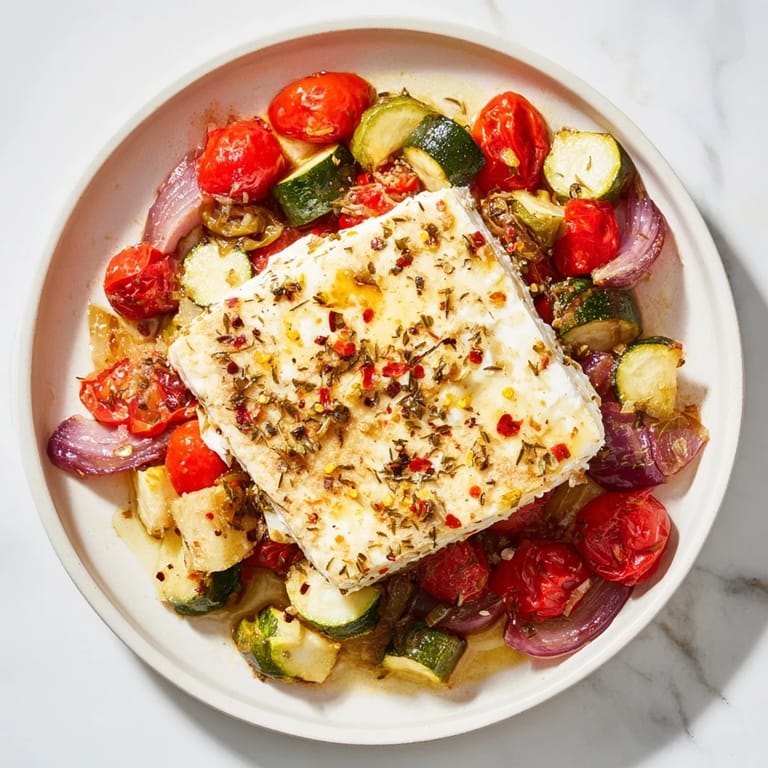
- Place that beautiful block of feta right in the center of the vegetables like it's the star of the show. Drizzle it lightly with more olive oil to help it along.
- Let it roast:
- Slide everything into the oven for 25–30 minutes until the vegetables are caramelized and blistered and the feta has softened and turned golden at the edges. You'll know it's ready when the feta jiggles slightly when you shake the dish.
- Cook your pasta:
- While the vegetables work their magic, bring salted water to a boil and cook your whole-grain pasta according to package directions. Before draining, scoop out about ½ cup of that starchy water—it's more valuable than you realize.
- Bring it together:
- Remove the hot baking dish from the oven, add your minced garlic directly to the heat so it blooms instantly, then gently mash the feta into the vegetables. It should become creamy and cohesive, almost like a rough sauce.
- Marry the pasta:
- Add your drained pasta to the baking dish along with a splash of reserved pasta water. Toss everything together, adding more pasta water if needed until the sauce coats every piece.
- Finish with intention:
- Tear fresh basil over the top and serve immediately while everything is still warm and the flavors are singing.
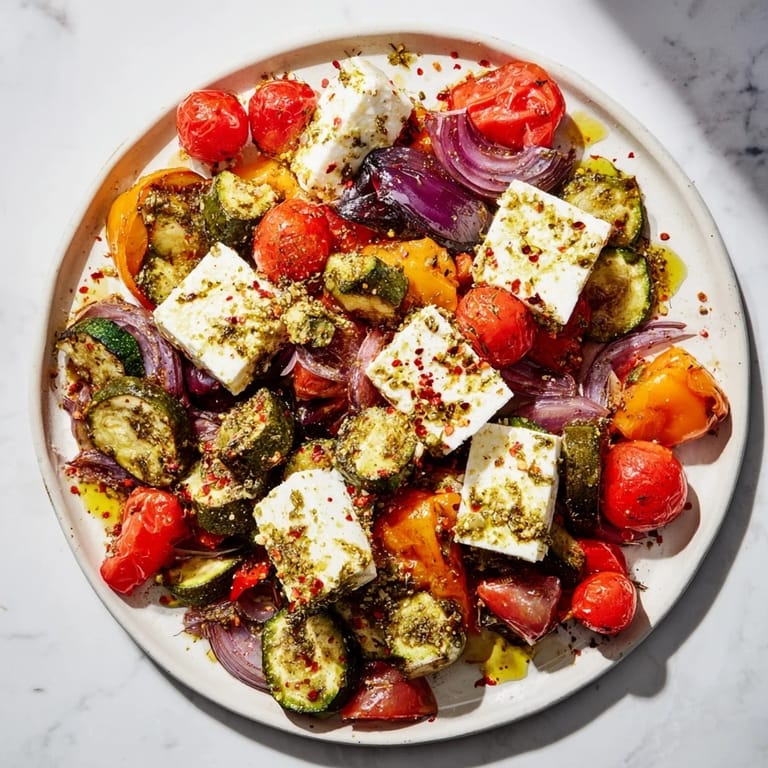 Save
Save I made this for my partner on a night when we were both exhausted, and somehow that simple bowl of creamy pasta and roasted vegetables became the moment we both exhaled. Food doesn't always have to be complicated to feel like care.
Variations That Work
This dish is forgiving in the best way possible. Swap in whatever vegetables are speaking to you at the market—eggplant gets silky and sweet when roasted, asparagus stays bright and tender, spinach wilts into the sauce beautifully, and roasted chickpeas add protein if you're looking for something more substantial. I've even thrown in halved artichoke hearts and thin-sliced fennel, and both transformed the dish into something entirely new while keeping that creamy feta heart intact.
Serving and Pairing
This is the kind of dish that stands alone but loves company. Pour yourself a crisp white wine like Sauvignon Blanc or even a light rosé, and suddenly you're having the kind of dinner that feels restaurant-quality but happened in your own kitchen. I like to serve it with a simple green salad on the side, something sharp with a good vinaigrette to cut through the richness just slightly.
Storage and Make-Ahead Wisdom
Leftovers actually improve after a night in the refrigerator as the flavors settle into each other, though the texture changes slightly. Reheat gently in a low oven with a splash of water to restore the sauce's flow, or eat it cold on a salad the next day—I'm not saying I've done that, but I'm also not denying it. If you're planning ahead, you can roast the vegetables and feta a few hours before, then simply toss with fresh hot pasta when you're ready to eat.
- Store leftovers in an airtight container for up to three days, and don't skip the pasta water when reheating.
- This dish freezes poorly because the pasta gets mushy, so eat it within a few days of making it.
- For meal prep, roast your vegetables earlier in the week and pasta separately, then combine fresh when you're hungry.
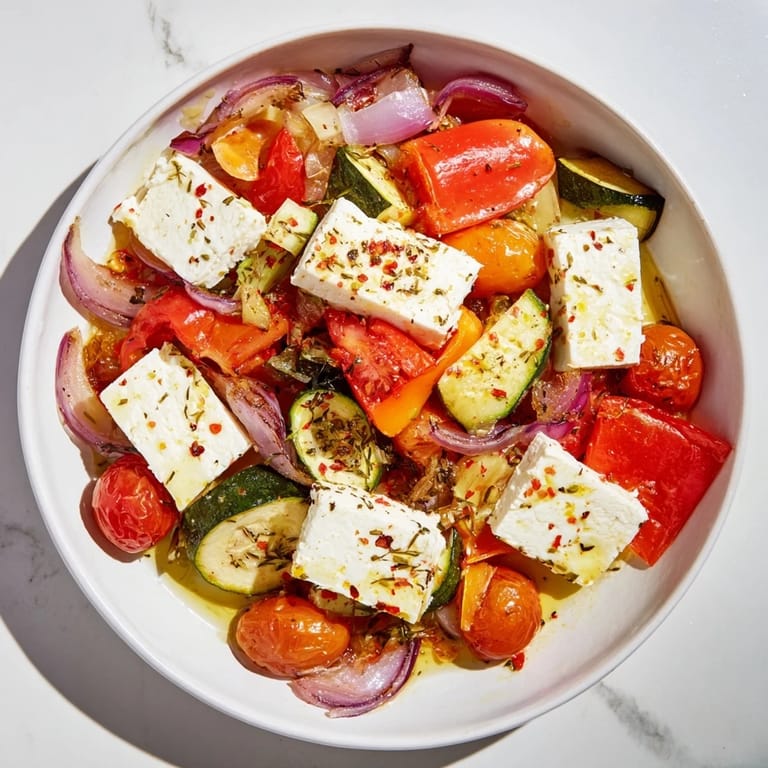 Save
Save This recipe has become my answer to the question of what to cook when I want something that tastes restaurant-quality but doesn't demand hours in the kitchen. It's proof that sometimes the most satisfying meals come from the simplest ideas, executed with intention.
Recipe Questions & Answers
- → What pasta works best for this dish?
Whole-grain penne or fusilli complement the creamy feta sauce while adding a nutty flavor and sturdy texture.
- → Can I add protein to this meal?
Yes, drained canned chickpeas mixed in before baking provide a plant-based protein boost.
- → How do I know when the vegetables are ready?
Roast until they are caramelized and soft, and the feta has a golden, creamy texture, usually 25–30 minutes at 200°C.
- → Can I customize the vegetables?
Absolutely—spinach, eggplant, or asparagus can be added or swapped based on seasonal availability and preference.
- → Is this dish suitable for gluten-free diets?
Yes, substitute the whole-grain pasta with certified gluten-free pasta to accommodate gluten-free needs.