 Save
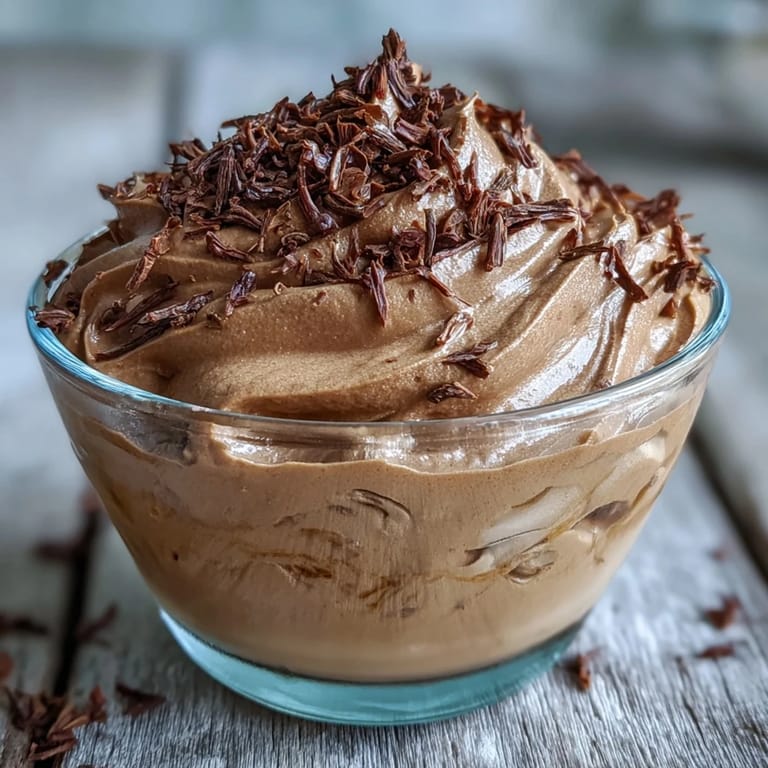
Save The first time I encountered hojicha mousse was at a small tea house tucked behind a wooden gate in Kyoto, where the owner served it in a delicate glass rimmed with toasted tea leaves. What struck me wasn't just how light it was, but how the roasted, almost nutty flavor of hojicha seemed to float on my tongue without any heaviness. I spent the train ride home trying to figure out how something so ethereal could taste so grounded, and that question eventually led me to experiment in my own kitchen with eggs, gelatin, and patience.
I made this for my partner on a quiet Tuesday evening after a long day, partly as an excuse to sit together without screens, and partly because I wanted to see if I could recreate that Kyoto moment. When they took the first spoonful and their eyes got wide, then soft, I realized this mousse had become the thing I'd been chasing—simple enough to feel casual, but special enough to feel like care. We finished the whole batch that night and didn't say much about it, which somehow said everything.
Ingredients
- Hojicha tea leaves: The whole foundation of this dessert, and worth seeking out at a Japanese grocer or online because the quality really matters—look for leaves that smell warm and toasty, almost like a cozy room.
- Whole milk: It carries the hojicha flavor beautifully without competing, though oat or almond milk works if you're going dairy-free.
- Eggs, separated: This is where the magic happens—the yolks create richness while the whites give you that cloud-like texture.
- Granulated sugar: Split between the yolks and whites because each part needs its own sweetness.
- Vanilla extract: Just a whisper of it, enough to round out the tea flavors without announcing itself.
- Cornstarch: Your secret ingredient for preventing the mixture from splitting when it heats—it's like insurance for smoothness.
- Powdered gelatin: Holds the whole thing together without making it stiff or jiggly, just perfectly set.
- Toasted hojicha tea leaves or cocoa nibs: The final touch that brings everything full circle, adding texture and reminding you why you're eating this in the first place.
Tired of Takeout? 🥡
Get 10 meals you can make faster than delivery arrives. Seriously.
One email. No spam. Unsubscribe anytime.
Instructions
- Brew Your Tea Base:
- Heat the milk until steam starts rising gently from the surface, then scatter in the hojicha leaves and cover it—you want those leaves to really surrender their flavor to the warmth. After 10 minutes, strain carefully through a fine mesh, letting gravity do the work rather than pressing the leaves, which keeps the mousse silky smooth.
- Wake Up the Gelatin:
- Sprinkle gelatin over cold water and let it sit untouched for five minutes, absorbing like a sponge. This blooming step is what keeps it from clumping when you add heat.
- Build Your Base Custard:
- Whisk egg yolks with half the sugar and cornstarch until the mixture turns pale and thick, then slowly add that still-warm hojicha milk while whisking constantly. The slow pour matters here—you're teaching the eggs to accept the heat without scrambling.
- Cook and Thicken Over Heat:
- Set your bowl over simmering water and whisk without stopping until the mixture coats the back of a spoon and feels noticeably thicker, usually three to five minutes. You'll feel the moment it shifts from liquid to custard—that's your signal to stop and remove it from heat.
- Dissolve the Gelatin:
- Stir the bloomed gelatin into the hot custard until it disappears completely, then add vanilla and let the whole thing cool to room temperature with occasional stirring. This waiting period is crucial because you need to be able to touch the mixture without it being uncomfortable.
- Whip Your Egg Whites:
- In a very clean bowl (any trace of yolk or oil will sabotage this), beat the whites until they form soft peaks, then gradually add the remaining sugar while beating until the peaks turn glossy and stiff. You want them to hold their shape completely, almost shiny.
- Fold Everything Together Gently:
- Add the egg whites to the hojicha mixture in three additions, folding with a rubber spatula using broad, patient strokes from the bottom up and over. Each fold loosens the mixture slightly and allows the whites to integrate without deflating the whole thing.
- Set in the Cold:
- Divide into serving glasses or ramekins and slide into the refrigerator for at least two hours, though overnight is even better. You'll know it's ready when you can tap it gently with a spoon and it barely jiggle back.
- Finish and Serve:
- Right before eating, scatter a few toasted hojicha leaves or cocoa nibs on top for texture and visual interest. The mousse should be cold, airy, and luxuriously light.
 Save
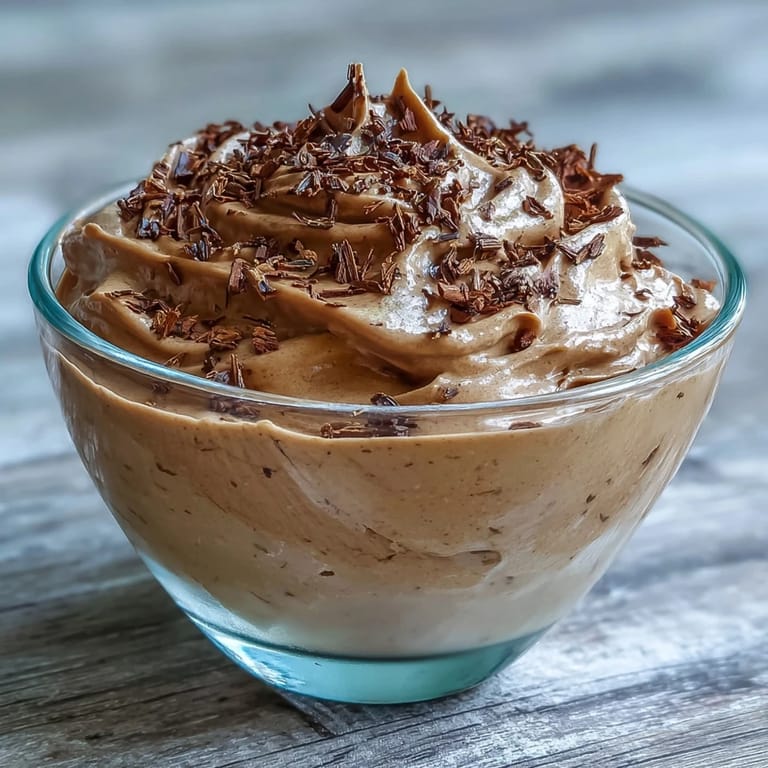
Save There's something quietly powerful about serving something so delicate to people you care about, watching them discover that fancy desserts don't have to be complicated or heavy. This mousse sits at that perfect intersection where technique meets simplicity, where hojicha's subtle warmth becomes the whole point.
The Story Behind Hojicha
Hojicha isn't like other green teas—it's been roasted over charcoal until it's brown and warm, which strips away the bitterness and brings out these earthy, almost caramel-like notes that make it feel like a dessert all on its own. Once you taste real hojicha, you understand why people get so particular about it, and why this mousse becomes less about showing off and more about honoring the ingredient. I spent an afternoon reading about how it's made, how the roasting process is almost ceremonial, and that knowledge somehow made eating this dessert feel more connected to something real.
Why This Technique Works
The custard base gives you flavor and a touch of richness, the gelatin provides structure without density, and the whipped egg whites deliver that lift that makes mousse what it is—something between a cloud and a proper dessert. By separating the eggs and using each part for what it does best, you end up with something that's more sophisticated than the sum of its parts. It's the kind of technique that looks impressive but actually teaches you something useful about how ingredients interact.
Serving Suggestions and Pairings
Serve this chilled, ideally in glasses where people can see those careful layers, and feel free to pair it with whatever feels right—fresh berries brighten it up, a drizzle of dark chocolate makes it richer, and a cup of lighter hojicha tea on the side echoes the flavors beautifully. I've also discovered it pairs unexpectedly well with a delicate floral sake or even a crisp white wine if you want to get fancy. The point is that this mousse is versatile enough to fit into different moments, whether you're ending a dinner party or having a quiet dessert at home.
- Fresh berries add brightness and cut through the richness without overwhelming the hojicha flavor.
- A small glass of hojicha tea served alongside creates a beautiful flavor echo and makes the whole thing feel intentional.
- Dark chocolate shavings bridge the gap if anyone at your table loves chocolate more than they love tea.
 Save
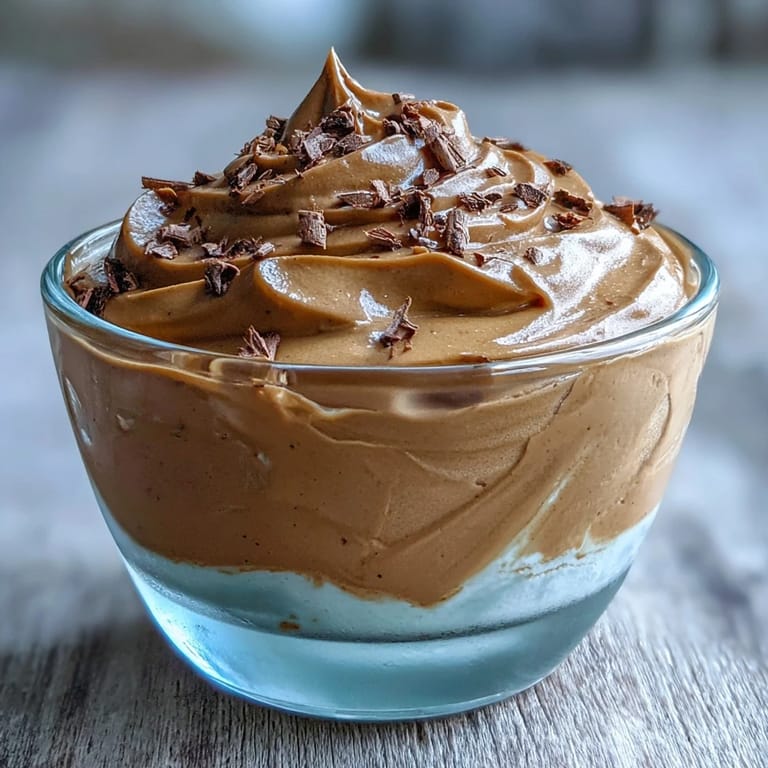
Save This mousse has become one of those recipes I reach for when I want to feel like I'm giving someone something thoughtful without actually spending hours in the kitchen. There's something perfect about that.
Recipe Questions & Answers
- → What does hojicha taste like?
Hojicha offers distinctive roasted, nutty notes with caramel undertones. Unlike green tea, the roasting process reduces bitterness and creates a warm, earthy flavor profile that pairs beautifully with creamy desserts.
- → Can I make this mousse ahead of time?
Absolutely. This mousse actually benefits from chilling overnight. Prepare it up to 24 hours in advance, keeping it covered in the refrigerator. The flavors develop and the texture becomes even smoother with time.
- → What can I use instead of gelatin?
Agar-agar works as a vegetarian alternative, though the texture will be slightly firmer. Use about 1 teaspoon powdered agar-agar dissolved in the warm milk mixture instead of gelatin.
- → Why separate eggs for this mousse?
Separating eggs creates the signature airy texture. Yolks provide richness and structure while whisked whites incorporate air, resulting in that light, cloud-like consistency essential to a perfect mousse.
- → How do I know when the custard is thick enough?
The custard is ready when it coats the back of a wooden spoon and leaves a clear trail when you run your finger through it. This usually takes 3-5 minutes of constant whisking over simmering water.
- → Can I use other tea varieties?
Matcha, genmaicha, or earl grey work wonderfully with this method. Adjust the steeping time accordingly—delicate teas need less time while robust black teas may require longer infusion.