 Save
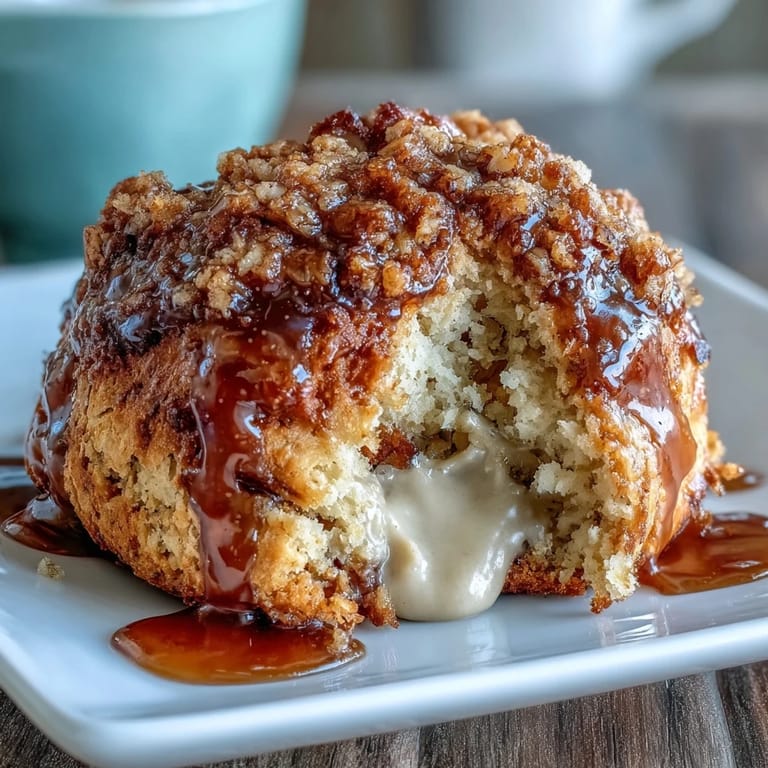
Save My neighbor Margaret handed me a basket of dandelions last spring, insisting they were "too pretty to waste" on her lawn. I'd never cooked with flowers before, but something about their bright yellow petals and her certainty made me want to try. These scones emerged from that impulse—tender, subtly floral, with just enough honey to feel indulgent without overshadowing the delicate bloom. Now every April, I find myself hunting for those same wild petals, and somehow the kitchen smells like early mornings and possibility.
I made these for my book club's April meeting, nervous that the whole dandelion concept might seem too precious or overly botanical. Instead, one member went quiet after her first bite, then quietly asked for the recipe—she'd grown up eating her grandmother's flower-studded pastries in Sussex and thought those days were behind her. Watching her eyes get a little misty over a warm scone was when I realized this recipe had become something more than just breakfast food.
Ingredients
- All-purpose flour (2 cups): The foundation that needs to stay cool and dry; I sift mine and sometimes chill the bowl beforehand because warm flour is the enemy of tender scones.
- Granulated sugar (1/4 cup): Just enough sweetness to complement the honey and flowers without making these taste like dessert masquerading as breakfast.
- Baking powder (1 tbsp): The secret to that gentle rise and feathery crumb; don't skip it or swap it for soda.
- Fine sea salt (1/2 tsp): Brings out the delicate floral notes and keeps everything from tasting one-dimensional.
- Unsalted butter, cold and cubed (1/2 cup): Cut it into small pieces and keep it in the freezer until the last moment; those little cold pockets create the pockets that make scones sing.
- Whole milk, cold (2/3 cup): Brings everything together without toughening the dough the way warmer liquid would.
- Dandelion petals, fresh and pesticide-free (2 tbsp for dough, 2 tbsp for garnish): Hunt for fully opened flowers in unsprayed areas; only use the bright yellow petals and avoid anything green, which tastes bitter and defeats the purpose.
- Honey (2 tbsp in dough plus 1 tbsp for drizzling): Adds moisture, subtle sweetness, and that golden warmth that makes people linger over their plate.
- Large egg (1): Acts as a gentle binder and helps the scones achieve that gorgeous golden crust.
- Clotted cream (for serving): Non-negotiable for authenticity, though whipped cream or mascarpone work in a pinch.
Tired of Takeout? 🥡
Get 10 meals you can make faster than delivery arrives. Seriously.
One email. No spam. Unsubscribe anytime.
Instructions
- Prepare your oven and workspace:
- Heat the oven to 400°F and line a baking sheet with parchment paper so your scones won't stick. This takes just a minute but makes cleanup exponentially easier.
- Combine the dry ingredients:
- Whisk together the flour, sugar, baking powder, and salt in a large bowl, making sure everything is evenly distributed. You're building the structure that will hold all the delicate flavors together.
- Work in the cold butter:
- Using a pastry cutter, two knives, or your fingertips, break the cold butter into the flour until it resembles coarse breadcrumbs with some pea-sized pieces remaining. This step is crucial—those little butter pockets create steam and give you that signature flaky texture.
- Mix the wet ingredients:
- In a separate small bowl, whisk together the cold milk, honey, egg, and dandelion petals until they're well combined and the petals are distributed throughout. Don't worry if it looks a bit curdled; that's perfectly fine.
- Bring it together gently:
- Pour the wet mixture into the dry ingredients and stir with a fork until just barely combined—lumps are your friend here, and overmixing is the scone-maker's biggest regret. Stop as soon as you don't see dry flour anymore.
- Shape the dough:
- Turn the dough onto a lightly floured surface and gently pat it into a round about 1 inch thick, then cut it into 8 wedges like you're slicing a pie. Transfer them to your prepared baking sheet, spacing them slightly apart.
- Bake until golden:
- Bake for 16 to 18 minutes until the scones are puffed and deeply golden brown on top. The aroma alone will tell you when they're nearly ready.
- Finish and serve:
- Let them cool for just a few minutes, then drizzle with honey and scatter the remaining dandelion petals on top while everything is still warm. Serve immediately with generous dollops of clotted cream.
 Save
Save There's something profoundly grounding about serving warm scones to people you care about on a lazy spring morning. It's not fancy or complicated, but it's the kind of simple generosity that lingers in memory long after the cream has been wiped away.
Selecting and Preparing Dandelion Petals
The first time I foraged for dandelions, I picked everything—stems, green parts, half-closed flowers—and learned quickly why my scones tasted slightly bitter and weedy. Now I hunt only for fully opened, sunny yellow flowers from lawns I trust, pinching away the petals and discarding the bitter white bases underneath. A quick rinse and gentle pat dry keeps them fresh without bruising their delicate structure, and I've learned to pick them the morning I'm baking rather than storing them overnight.
Temperature: The Invisible Ingredient
Cold ingredients are non-negotiable for scone success, something I discovered the hard way when I used room-temperature butter and ended up with dense, flat disappointments. I now keep my flour, butter, eggs, and milk in the cool before assembling anything, and I've even been known to chill my mixing bowl on particularly warm days. That chill is what creates the steam pockets and feathery texture that make people close their eyes while eating.
Variations and Serving Suggestions
While dandelion and honey are my preferred pairing, these scones are forgiving enough to welcome other spring flavors—I've experimented with elderflower cordial in place of some of the honey, added a hint of lemon zest, and even tried violet petals when a friend brought some from her garden. They taste best served warm the day they're baked, though leftover scones can be gently reheated, and they pair beautifully with floral white teas, champagne, or even a light sparkling rosé for a celebration. These memories of experimentation and adaptation remind me that recipes are less about rigid rules and more about inviting friends into your kitchen to discover what you all might create together.
- Try infusing the milk with a pinch of dried lavender the night before for an even more floral note without affecting texture.
- If clotted cream isn't available, softly whipped mascarpone mixed with a touch of honey is unexpectedly wonderful.
- Toast any leftover scones lightly and they'll regain much of their original tenderness and warmth.
 Save
Save These scones taught me that the most memorable meals often come from the smallest moments—a neighbor's gift, a friend's unexpected memory, the taste of spring captured in something warm and simple. Bake them whenever you want to feel that magic.
Recipe Questions & Answers
- → What is the role of dandelion petals in the scones?
Dandelion petals add a subtle floral aroma and delicate flavor that complement the sweetness of honey, bringing a fresh springtime touch.
- → Can I substitute clotted cream with other toppings?
Yes, whipped cream or mascarpone can be used as alternatives to clotted cream for a creamy texture and mild flavor.
- → How do I ensure the scones are tender and flaky?
Using cold cubed butter and gently mixing the dough without overworking it helps achieve a tender, flaky texture.
- → Are these scones suitable for vegetarians?
Yes, the ingredients used in this preparation are vegetarian-friendly, including dairy and eggs.
- → What is the best way to serve these scones?
Serve them warm with drizzled honey and clotted cream, paired with a floral tea or light sparkling beverage for an elegant brunch.